
Tinted Glass
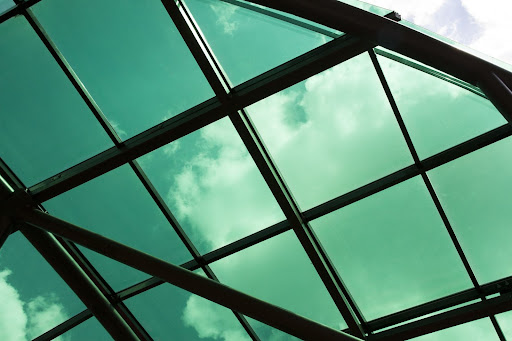
Tinted glass is a high-performance architectural glass manufactured with colour integrated directly into the glass during production — not applied as a surface coating. This allows it to effectively control heat, light, and glare while enhancing privacy and building aesthetics for residential and commercial properties in Singapore.
Designed for tropical climates, tinted glass helps reduce solar heat gain and UV exposure, contributing to a more comfortable indoor environment throughout the year.
In Singapore, tinted glass is widely used in HDB flats, condominiums, offices, retail units, and façade systems where energy efficiency and visual comfort are important.
At House of Glass, we provide professional tinted glass supply and installation services tailored to HDB, condo, and commercial requirements.
Why Tinted Glass Is Widely Used
Tinted glass is valued for its ability to combine functional performance with modern architectural appeal. Beyond aesthetics, it supports energy-conscious design and enhances indoor comfort in sun-exposed environments.
Tinted glass is commonly specified because:
It reduces solar heat gain and indoor temperature build-up
It improves thermal comfort and energy efficiency
It blocks a substantial portion of harmful UV rays
It minimises glare while maintaining natural daylight
It enhances privacy and façade appearance
It protects interior furnishings from fading
These qualities make tinted glass ideal for large glazed areas, west-facing windows, and high-exposure façades in Singapore.
Where can I install my Tinted Glass?
Tinted glass plays an important role in improving comfort and efficiency in Singapore’s built environment. It is frequently used in residential homes, office buildings, and retail spaces where heat control and visual comfort are priorities.
Common Applications
- Residential windows and sliding doors
- Balcony glazing
- Office partitions and meeting rooms
- Retail display windows
- Shopfront glazing
- Interior partitions
For properties exposed to strong afternoon sun, tinted glass significantly reduces glare and heat build-up, creating a more balanced indoor environment.
Tinted Glass Technology & Manufacturing
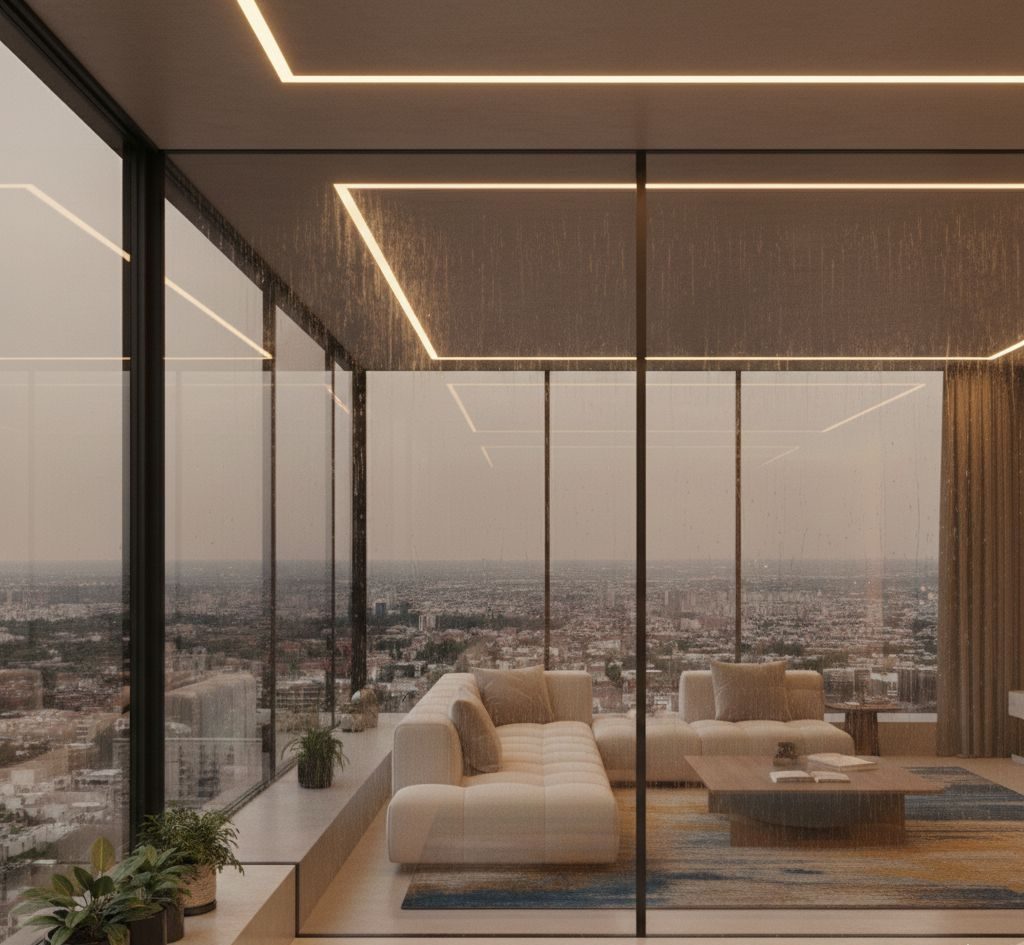
The performance and durability of tinted glass depend largely on its production method. Understanding the differences helps property owners select the most suitable option for long-term use in Singapore’s humid climate.
Intrinsic Tinting (Body-Tinted Float Glass)
Colouring agents are added during the float glass manufacturing process. The tint becomes permanently embedded within the glass structure, ensuring consistent colour and long-term durability.
Advantages include:
- Permanent colour integration
- No peeling, bubbling, or surface deterioration
- Low maintenance requirements
Suitable for exterior glazing applications
Film or Coated Tint
Tint film is applied to the surface of clear glass after production. It provides flexibility in shade selection and performance level, making it suitable for retrofit upgrades.
Considerations:
- Surface-applied layer
- May require replacement over time
- More suitable for interior or short-term solutions
- Cost-effective initial option
House of Glass recommends solutions based on project scope, exposure level, and expected lifespan.
Thickness & Specification Guide
Selecting the appropriate glass thickness is essential for structural integrity and safety compliance. The correct specification depends on panel size, installation location, and impact exposure.
Below is a general reference guide for tinted glass applications in Singapore:
Typical Application | Thickness | Used For | Typical Uses |
Interior partitions | 4 mm | Lightweight and economical | Low-impact areas |
Windows & doors | 6 mm | Most common for homes | Residential glazing |
Balcony panels | 8 mm | Increased strength | Shopfront glazing |
Structural glazing | 10 -12 mm | Often tempered or laminated | Façades & heavy-duty areas |
Thicker panels generally provide greater strength and are commonly paired with tempering or lamination for enhanced safety.
Customisation Options & Performance Enhancements
Tinted glass can be enhanced for additional strength and insulation. These upgrades improve safety, durability and acoustic control. Selection depends on building requirements and usage. Professional assessment ensures optimal performance.
1. Tinted Tempered Glass
- Heat-treated for higher strength
- Breaks into small blunt fragments
- Suitable for doors and partitions
- Improved impact resistance
2. Tinted Laminated Glass
- Bonded with safety interlayer
- Holds together upon breakage
- Enhanced sound insulation
- Suitable for balcony glazing
3. Tinted Insulated Glass Units (IGUs)
- Double-glazed configuration
- Improved thermal insulation
- Better energy efficiency
- Ideal for premium projects
Tinted Glass Price Guide in Singapore
The cost of tinted glass varies depending on thickness, safety treatment, customisation, and installation complexity. Tempered and laminated options are priced higher due to additional processing. Below is a general pricing reference:
Glass Type | Thickness | Suitable For | Estimated Price (SGD) |
Basic Tinted Glass | 4 mm | Interior panels | From $80 |
Standard Tinted Glass | 6 mm | Residential windows | From $120 |
Tinted Tempered Glass | 8 mm | Doors & partitions | From $180 |
Tinted Laminated Glass | 10 mm+ | Balcony & safety glazing | From $240 |
*Estimates only, actual pricing determined only after knowing detailed requirements and consultation
Below is a general budget guide for common tinted glass projects. Actual pricing depends on total square metre area, thickness, safety treatment and site conditions.
- HDB window panel replacement (1–2 panels): $250 – $600
- Condominium balcony panel replacement: $800 – $2,000
- Full living room window upgrade: $1,200 – $3,500
- Office glass partition installation: $2,000 – $6,000+
- Retail shopfront (tempered tinted glass): $3,000 – $10,000+
- Emergency glass replacement works: From $350 onwards (depending on size and urgency)
Final project cost depends on glass thickness, access conditions, framing system, hardware and customisation requirements.
Tinted Glass Installation and Maintenance
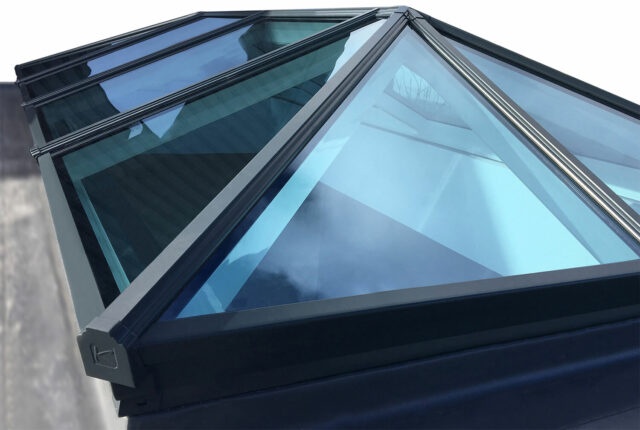
Installing tinted glass in Singapore involves more than simply replacing a panel. Proper specification, fabrication, and professional installation are essential to ensure safety, durability, and compliance.
Typical Installation Process
- Site survey and consultation
- Custom fabrication according to specifications
- Frame preparation and inspection
- Secure glazing using approved sealants
- Final inspection and cleaning
- Removal of existing glazing
- Installation and sealing
- Final inspection and safety checks
Tinted glass installations must comply with Singapore’s building and safety requirements. The correct thickness and treatment are selected based on application type, structural needs, and renovation guidelines.
Care & Maintenance Guide
Proper care extends the lifespan of tinted glass installations. Cleaning should be carried out using mild detergent and a soft cloth. Abrasive materials must be avoided to prevent scratches. With professional installation, intrinsic tinted glass can last for decades.
Maintenance tips:
- Clean regularly with non-abrasive solutions
- Inspect seals and frames annually
- Avoid sharp cleaning tools
- Address chips or cracks promptly
With professional installation and routine care, tinted glass maintains its performance and appearance over many years.
Frequently Asked Questions
What is the difference between tinted glass and tinted film?
Tinted glass has colour embedded within the glass during manufacturing, making it permanent and durable. Tinted film is applied to the surface and may degrade over time. Intrinsic tinting offers longer lifespan and better resilience.
Will tinted glass make my home too dark?
Properly selected tint maintains a balance between solar control and natural daylight. Different shades offer varying light transmission levels. Professional consultation ensures optimal brightness.
Is tinted glass suitable for HDB flats?
Yes, it is commonly used for windows and balcony panels. Compliance with renovation guidelines is essential. Professional specification ensures safety.
Can tinted glass improve energy efficiency?
Yes, it reduces solar heat gain and glare. This may reduce reliance on air-conditioning. It supports energy-conscious building design.
How long does installation take?
Most residential projects can be completed within one day. Larger commercial installations may take longer. Timeline depends on project scope and access conditions.