
Glass Tinting
Glass tinting is more than just darkening a window — it is a strategic upgrade that improves comfort, privacy and energy efficiency in modern properties. In Singapore’s intense tropical climate, untreated glass often becomes the weakest point in a building’s thermal performance.
Professionally installed glass tinting acts as a high-performance barrier, reducing glare, blocking heat and protecting interiors from harmful UV radiation — all while maintaining natural daylight.
In Singapore, quality glass tinting can block more than 50% of solar heat, helping properties stay cooler and reducing reliance on air-conditioning.
By modifying light transmission and reflectivity, glass tinting helps to:
- Reduce glare from direct sunlight
- Lower indoor heat build-up
- Improve daytime privacy
- Protect furnishings from UV fading
- Enhance façade uniformity
- Improve safety when paired with specialised films
Across Singapore, tinted glass is widely installed in HDB flats, condominiums, landed homes, offices and retail spaces where performance and comfort matter.
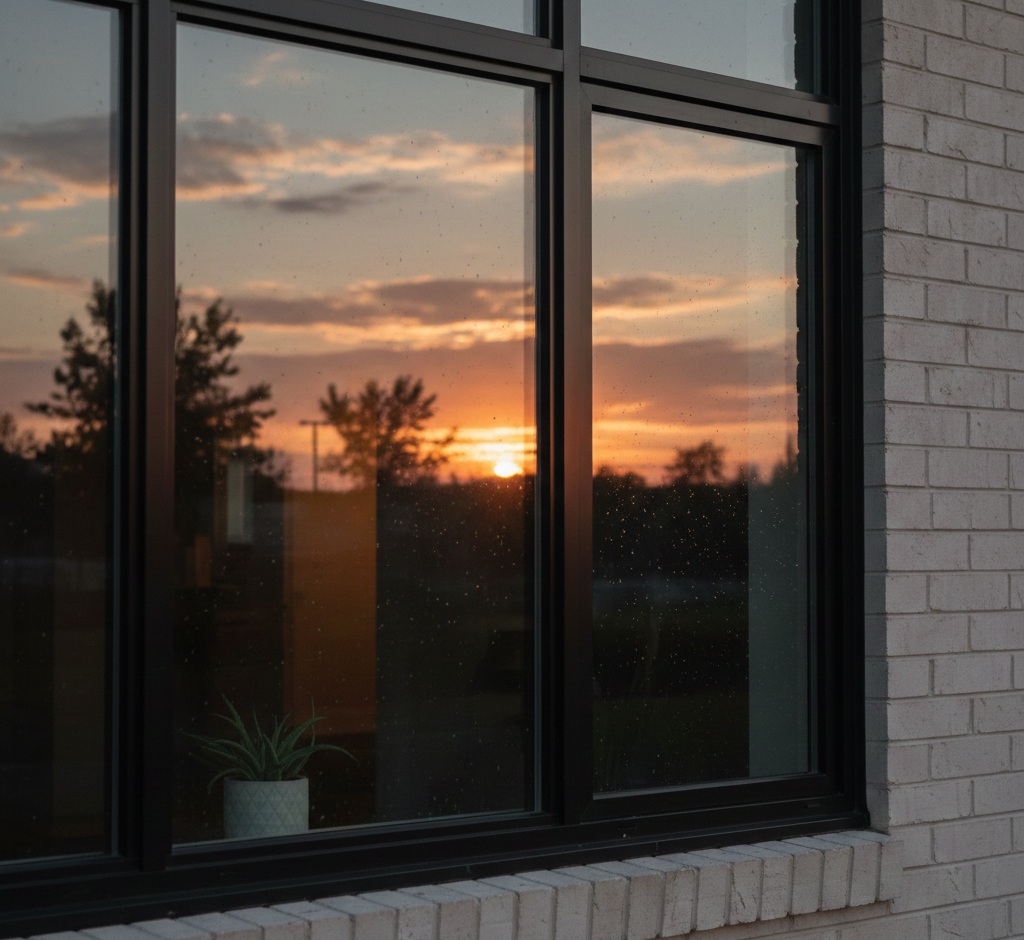
Why Glass Tinting Is Essential for Singapore’s Climate
Singapore experiences year-round sun exposure, high humidity and strong afternoon heat — conditions that place constant thermal pressure on glass surfaces. Large window panels allow beautiful daylight into interiors, but they also permit infrared heat and ultraviolet radiation to penetrate living and working spaces.
Large window panels maximise natural daylight — but they also allow infrared heat and ultraviolet radiation to penetrate interior spaces. Over time, this can result in:
- Increased air-conditioning usage
- Discomfort from glare
- Fading of paint, upholstery and carpets
- Uneven indoor temperatures
Glass tinting addresses these issues by modifying the glass during manufacturing or applying high-performance films to existing panels.
Properly specified tinting solutions improve:
- Solar heat rejection
- UV protection
- Visual comfort
- Energy efficiency
- Interior longevity
Professionally installed systems ensure compatibility with tempered and laminated safety glass while maintaining compliance with Singapore renovation guidelines.
Professional Glass Tinting Methods
There are two primary methods to achieve high-quality tinted glass, depending on whether you are installing new panels or upgrading existing ones.
The right solution depends on your building structure, renovation stage and performance requirements.
- Body Tinting (Intrinsic Tinting)
- Post-Production Window Tint Film Application
The right choice depends on whether you are installing new glass or upgrading existing panels.
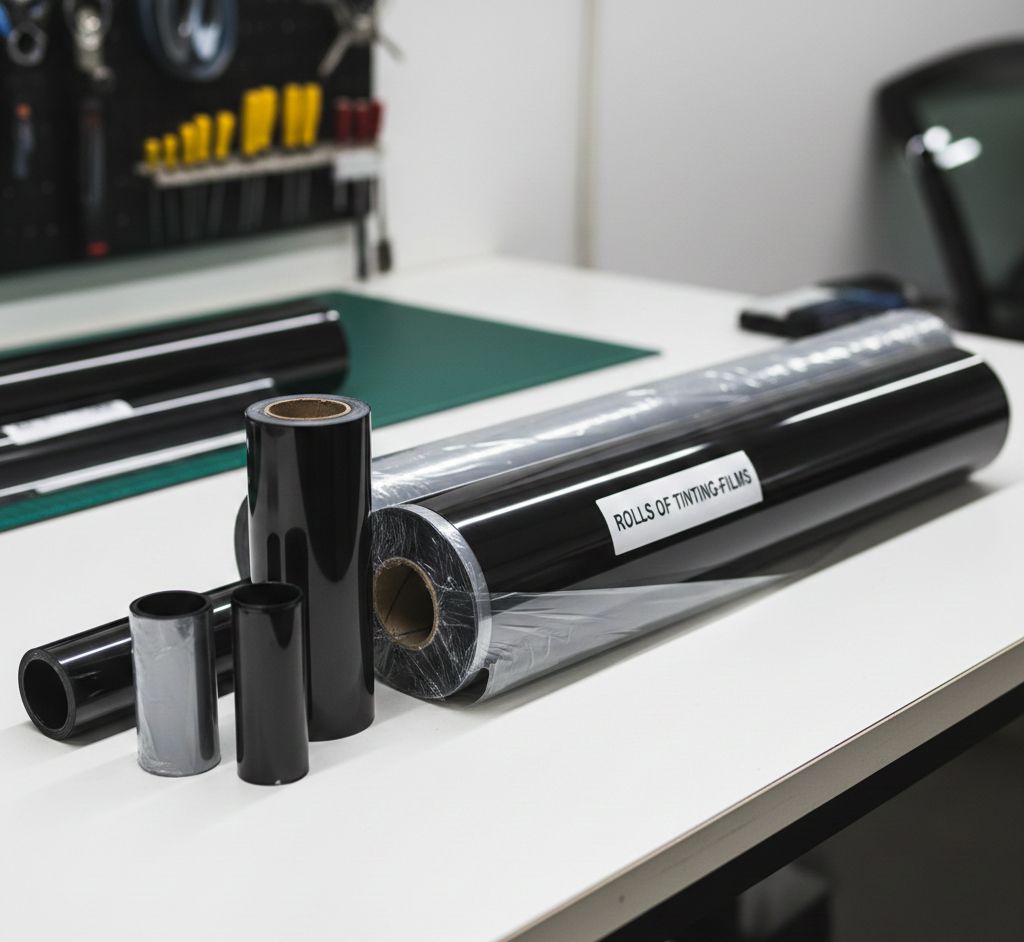
Body-Tinted Glass: Permanent Colour & Built-In Performance
Body tinting involves adding metal oxides to molten glass during manufacturing. The tint becomes an integral part of the material, producing a uniform and durable finish.
Benefits include:
- Permanent colour integration
- Scratch-resistant surface
- Superior resistance to acids and alkalis
- Fade-resistant performance
- Smooth, homogeneous finish
Common colours include bronze, green, blue, grey, yellow and black.
Body tinting is ideal for new façade installations and architectural glazing works.
Window Tint Films: Flexible Solar Control for Existing Glass
For properties with existing glazing, window tint film offers a practical and cost-effective upgrade. Modern films are engineered to deliver high solar rejection without overly darkening interiors.
Available in various grades, shades and thicknesses, films can be customised to meet different residential and commercial needs.
Professional application ensures:
- Bubble-free finishing
- Precise trimming
- Even shading
- Long-term adhesion
Where Glass Tinting Makes a Difference
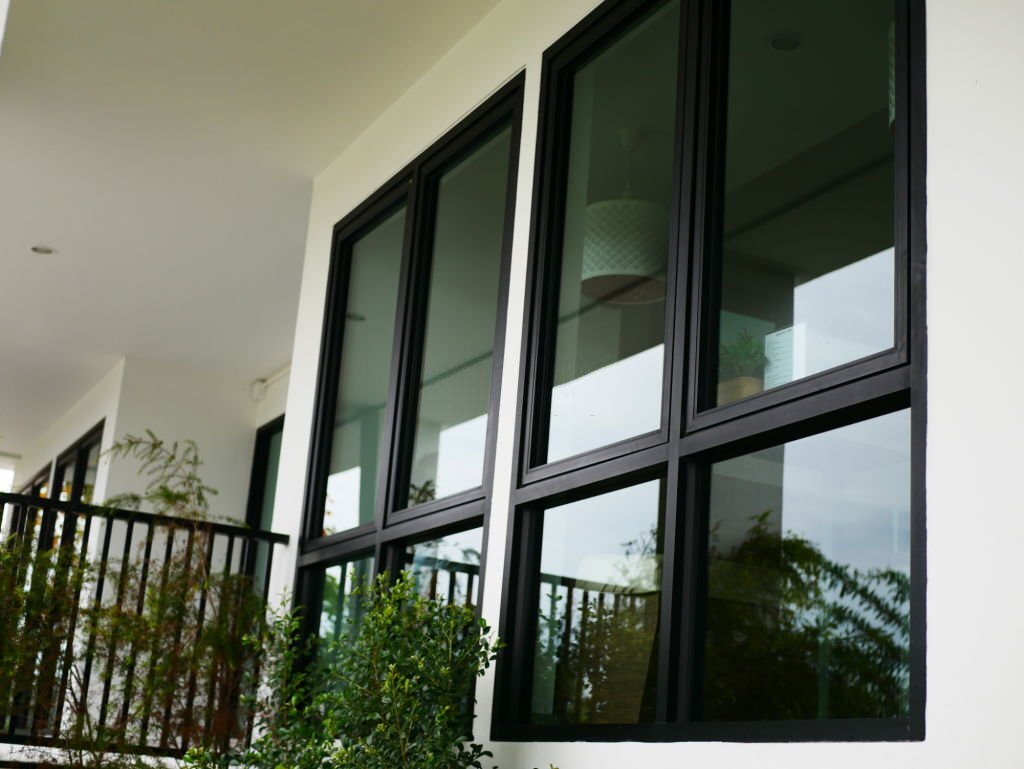
While glass tinting benefits almost any space, certain property types in Singapore see immediate and measurable improvements. Exposure direction, building height and façade design all influence performance outcomes.
Below are the most common applications.
Residential Glass Tinting for HDB, Condo & Landed Homes
Tinting is especially beneficial for west-facing units and high-floor apartments exposed to strong afternoon sun.
Common residential applications include:
- Living room windows
- Bedroom glazing
- Balcony sliding doors
- Landed property façades
- Home office panels
- Service yard windows
Tinting enhances comfort without compromising brightness.
Commercial & Office Window Tinting Solutions
In offices and retail environments, glare and heat can directly affect productivity and customer experience.
Commercial applications include:
- Office curtain wall glazing
- Meeting room partitions
- Retail storefront windows
- Clinic consultation rooms
- Showroom façades
Tinted glass creates a cooler, more professional environment while maintaining visual clarity.
Types of Window Tint Films Available in Singapore
Different films are designed for specific performance goals — from heat reduction to security and branding. Choosing the correct film ensures optimal results and long-term durability.
Film Type | Description | Primary Benefit |
Heat Rejection Film | Dyed or metallised film designed to reduce solar heat gain. | Lowers indoor temperature and improves cooling efficiency. |
Ceramic Window Film | Non-metallic and dye-free film. | Reduces energy transmission by up to 80% while maintaining signal clarity. |
Low-E Coating | Applied internally or externally to retain or reject heat depending on building needs. | Enhances thermal insulation and energy efficiency. |
Security Film | Heavy-gauge protective layer applied to glass. | Helps hold shattered glass together for improved safety. |
Solar Control Film | Reduces glare and solar penetration. | Improves comfort while enhancing safety performance. |
Switchable Smart Film | Changes from opaque to clear when activated by safe low voltage (under 36V AC). | Provides on-demand privacy and modern functionality. |
Graphic & Branding Film | Decorative or customised printed film. | Ideal for commercial branding and aesthetic enhancement. |
Privacy Film | Reduces external visibility without blocking natural light. | Maintains brightness while increasing privacy. |
Mirror Film | Reflective surface film. | Enhances daytime privacy and improves cooling performance. |
How Body-Tinted Glass Is Manufactured
Intrinsic tinting involves introducing specific metallic compounds into molten glass. These elements determine the final colour while maintaining structural integrity.
Common metal additives include:
- Iron – Green, brown, blue
- Manganese – Purple
- Chromium – Green, yellow, pink
- Copper – Blue, green, red
- Cobalt – Blue, green, pink
- Titanium – Purple, brown
- Gold – Red
- Sulphide – Yellow
- Sulphur – Amber, brown
These elements ensure colour consistency and long-term durability.
Professional Film Installation: Why Technique Matters
Even the highest-grade film will underperform if poorly installed. Surface preparation, dust control and curing conditions significantly affect longevity and visual finish.
Professional tinting specialists use:
- Heat guns
- Tinting squeegees
- Spray systems
- Hard cards
- Precision trimming tools
Surface preparation, dust control and proper curing are critical to preventing bubbling, peeling or uneven shading.
Choosing the Right Glass Type for Tinting Works
Not all glass panels are identical, and each type requires careful assessment before tinting. Correct specification ensures both safety and compliance.
Clear Float Glass – Suitable for most film applications.
Tempered Glass – Strengthened safety glass; requires compatibility assessment.
Body-Tinted Glass – Factory-produced tinted panels for new installations.
Laminated Glass – Multi-layered safety glass; suitable for solar and security films.
Correct specification ensures compliance and structural integrity.
Thickness & Price Considerations in Tinting Glass
Glass thickness directly affects structural performance, safety and regulatory compliance. Larger panels or high-traffic areas often require thicker or laminated configurations.
Professional assessment ensures the correct balance between durability and cost efficiency.
How Much Does Glass Tinting Cost in Singapore?
Indicative supply and tint pricing:
Glass Type | Thickness | Estimated Price (SGD) |
Clear Float Glass | 5 mm – 6 mm | $5 – $10 per sq ft |
Tempered Glass | 6 mm – 10 mm | $6 – $12 per sq ft |
Laminated Glass | 11.52 – 13.52mm | $8 – $18 per sq ft |
Premium Solar / Ceramic Film | Various | $12 – $25 per sq ft |
Custom Graphic Film | Various | $120 – $250+ |
Frequently Asked Questions
How much heat can glass tinting reduce?
High-performance tinting systems can block more than 50% of solar heat depending on specification.
Is body-tinted glass permanent?
Yes. The colour is integrated during manufacturing and will not peel.
Can window films be replaced?
Yes. Film-based tinting can be removed or upgraded when required.
Will tinting make my home too dark?
Modern films are engineered to maintain brightness while reducing glare and heat.