
Glass Etching
Glass etching is a specialised surface treatment that enhances glass panels with decorative patterns, privacy finishes, or branded designs. Whether you are upgrading a bathroom shower screen, adding privacy to an office meeting room, or incorporating a bespoke feature into a retail storefront, professional glass etching improves both visual appeal and functionality.
Etched glass is an age-old craft that has progressively evolved over the years. Traditionally used to create intricate artwork on glass through chemicals and abrasives, modern glass etching now combines artistic skill with precision technology to deliver durable and refined finishes.
In Singapore, etched glass is widely used in HDB flats, condominiums, landed properties, offices, retail units, and commercial developments where privacy, aesthetics, and long-term durability are important.
At House of Glass, we provide professional glass etching services across Singapore for residential and commercial properties.
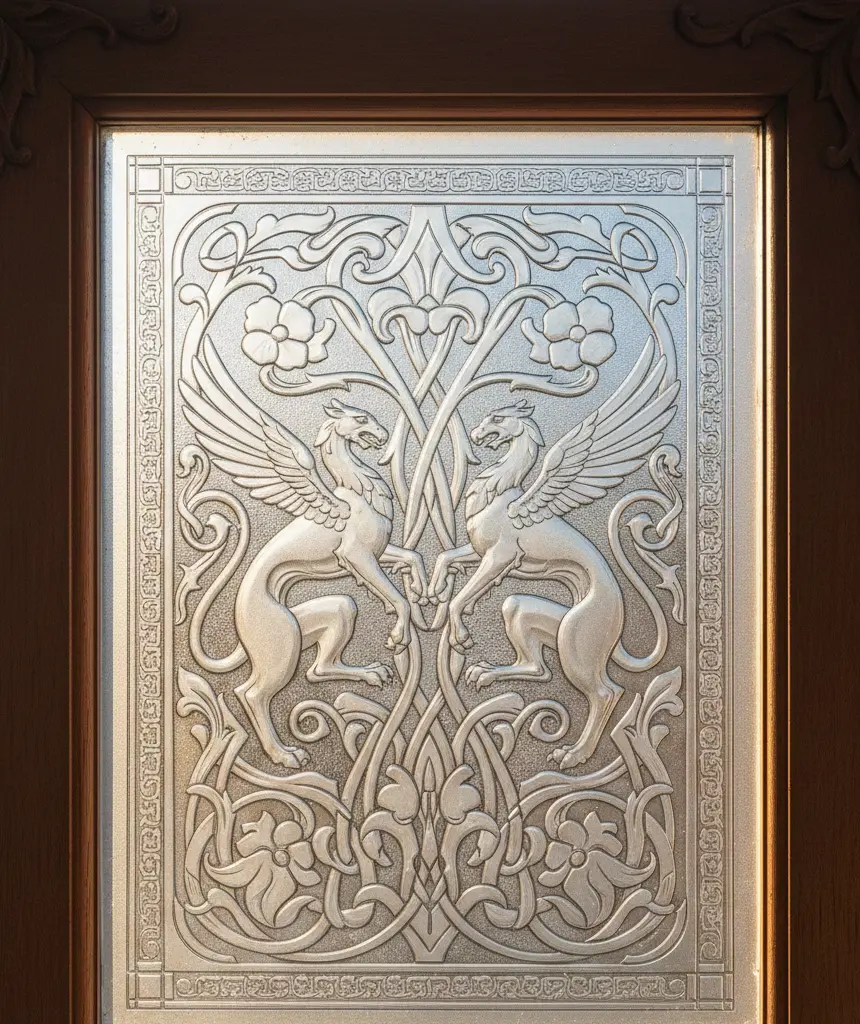
Understanding Glass Etching for Privacy & Design
Glass etching is the process of permanently altering the surface of glass to create a frosted, textured, or patterned finish. Unlike adhesive films or stickers, etched designs become part of the glass surface itself and will not peel, bubble, or discolour over time.
Unlike adhesive films or stickers, etched designs become part of the glass surface itself and will not peel, bubble, or discolour over time.
In Singapore’s dense urban environment, glass is widely used in high-rise homes and offices. While glass allows natural light to flow through interiors, privacy can be a concern. Etching provides an elegant solution by diffusing visibility without blocking light.
Professional glass etching ensures:
- Consistent and refined surface finishing
- Accurate reproduction of logos, text, or custom artwork
- Long-lasting results without surface peeling
- Improved privacy while maintaining brightness
- Compatibility with tempered and laminated safety glass
Properly executed glass etching enhances both design value and practical performance, particularly in renovation and upgrade projects.
Glass Etching Techniques & Applications
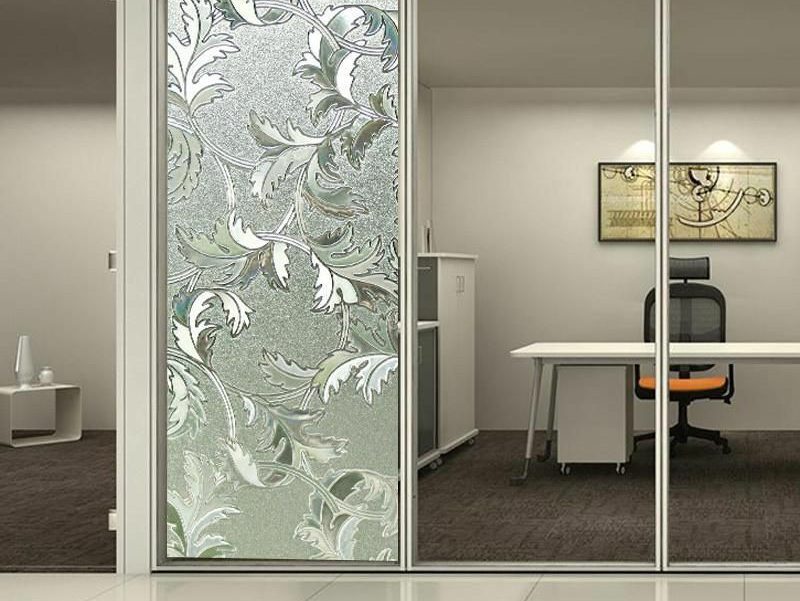
Glass etching is both a technical process and a skilled craft. Modern methods combine precision equipment, surface preparation techniques, and controlled processing to achieve uniform results.
The correct method depends on the glass type, thickness, and design complexity.
Surface Preparation
Before etching begins, the glass is thoroughly cleaned to remove dust, grease, or residues. A stencil or masking film is then applied to define the areas that will remain clear.
Accurate masking ensures:
- Clean design edges
- Precise alignment
- Consistent pattern reproduction
- Protection of non-etched surfaces
Preparation is critical to achieving sharp, professional results.
Sandblasting Etching
In sandblasting, fine abrasive particles such as silicon carbide or aluminium oxide are directed at the exposed glass surface under controlled pressure. The masked areas remain clear while the exposed sections develop a frosted appearance.
There are three primary sandblasting techniques:
- Surface etching – Light surface scratching to create a 2D frosted effect
- Carve etching – Deeper carving into the glass to produce 2D or 3D dimensional effects
- Shade etching – Controlled blasting to achieve varying degrees of whiteness and opacity
A combination of these techniques may be used to create layered or more artistic results.
Sandblasting is commonly used for:
- Full privacy panels
- Repeating decorative patterns
- Large feature walls
- Office partitions
This method provides consistent opacity and is suitable for both residential and commercial installations.
Chemical Etching
Chemical etching uses specialised etching creams to create a smooth satin finish. The stencil is placed over the design area, and the chemical compound is applied to produce the frosted effect.
Acid etching involves covering selected areas with acid-resistant material before treating the exposed surface. This method produces a refined, consistent finish but requires careful professional handling.
It is typically used for:
- Bathroom windows
- Shower screens
- Decorative door panels
- Subtle privacy treatments
Specialised Decorative Etching
A more advanced decorative technique involves specialised acids to create layered, contemporary designs within frosted areas. This allows secondary patterns to be etched into already frosted surfaces, producing intricate artistic compositions.
Gold or coloured enamel may also be incorporated to enhance complexity and visual depth. These techniques enable light to refract from multiple surfaces, creating a subtle sparkling effect ideal for statement pieces.
Such decorative etching is often selected for:
- Feature walls
- Premium residential interiors
- Corporate reception areas
- Hospitality environments
Laser or Precision Engraving
Laser etching allows for detailed logos, text, and intricate artwork. The process creates fine surface markings without compromising structural integrity.
This method is ideal for:
- Corporate branding
- Retail signage
- Custom name panels
- Decorative feature pieces
Why Choose Glass Etching?
Engaging experienced professionals ensures safe processing and high-quality results. Etching must be performed correctly to avoid uneven finishes or damage to safety glass panels.
For homeowners, designers, contractors, and property managers, professional glass etching provides:
- Accurate design execution
- Consistent frosted coverage
- Compatibility with safety glass requirements
- Clean and durable surface finishing
- Faster project turnaround
- Compliance with Singapore building and renovation guidelines
Professional workmanship reduces the risk of rework, surface damage, or inconsistent visual results.
Where Is Glass Etching Used?
Glass etching supports a wide range of applications across Singapore’s residential and commercial sectors.
High-rise living, open-plan layouts, and contemporary interior design make etched glass particularly popular in Singapore.
Residential Applications
- HDB bathroom windows and privacy panels
- Condo shower screens
- Bedroom or study room partitions
- Kitchen glass panels
- Glass tabletops with customised patterns
Commercial Applications
- Office meeting room partitions
- Corporate logos on glass panels
- Retail storefront branding
- Glass doors and entry panels
- Decorative feature walls
- Hotel and F&B partitions
Etched glass is also commonly specified by interior designers and renovation contractors seeking bespoke finishes.
Types of Glass Suitable for Etching
Different glass materials require specific handling to maintain structural performance.
Glass Type | Description | Common Applications |
Clear Float Glass | Standard clear glass with smooth surface finish | Interior partitions, decorative panels |
Tempered Glass | Safety glass processed for strength (etched after tempering where appropriate) | Shower screens, doors, balcony panels |
Laminated Glass | Multi-layer safety glass with protective interlayer | Security panels, shopfronts |
Frosted Glass | Pre-treated privacy glass that may be customised with patterns | Bathroom panels, office partitions |
Tinted Glass | Glass with colour tone for glare reduction | Feature walls, branded installations |
Glass Thickness and Pricing Guide for Etching in Singapore
Selecting the appropriate thickness ensures durability and compliance with installation standards. Thickness varies depending on panel size and structural requirements.
Glass Type | Typical Thickness | Estimated Price Range (SGD) |
Clear Float Glass | 5 mm – 6 mm | $25 – $45 per sq ft |
Tempered Glass | 6 mm – 10 mm | $45 – $80 per sq ft |
Laminated Glass | 11.52 – 13.52mm | $35 – $95 per sq ft |
Custom Logo / Detailed Design | Various | $180 – $400 + depending on complexity |
*Estimates only, actual pricing determined only after knowing detailed requirements and consultation
Frequently Asked Questions
Can tempered glass be etched?
Yes, etched designs can be applied to tempered glass where appropriate. Processing must be carried out carefully to maintain structural integrity.
Is etched glass permanent?
Yes. Unlike films, etched finishes are integrated into the glass surface and will not peel or bubble.
How long does glass etching take?
Simple designs may be completed within a few days. Complex custom artwork may require additional fabrication time.
Is etched glass suitable for HDB flats?
Yes, subject to compliance with applicable renovation guidelines.
How do I maintain etched glass?
Clean with standard glass cleaner and a soft cloth. Avoid abrasive pads that may damage the surface.
Can I request a free quotation in Singapore?
Yes. We provide free site measurement and no-obligation quotations across Singapore.
What Customers Say
Transform Your Space with Custom Etched Glass Solutions
Elevate your space with custom etched glass crafted to your design and privacy needs.House of Glass delivers end-to-end glass etching services across Singapore — from measurement and artwork preparation to fabrication and secure installation. Contact us today for a site assessment and personalised quotation.