
Tempered Glass
Tempered glass is a type of toughened safety glass engineered to deliver higher strength and safer breakage performance compared to standard annealed glass. Through a specialised heat treatment process, the glass becomes significantly more resistant to impact and thermal stress, making it suitable for demanding residential and commercial environments.
Unlike ordinary glass, tempered glass is designed to break safely. When shattered, it fragments into small, blunt pieces instead of sharp, dangerous shards — greatly reducing the risk of injury.
In Singapore, tempered glass is widely used in homes, offices, retail spaces, and high-traffic environments where safety, durability, and a clean modern appearance are essential.
At House of Glass, we provide professional tempered glass supply and installation services for residential and commercial properties across Singapore.
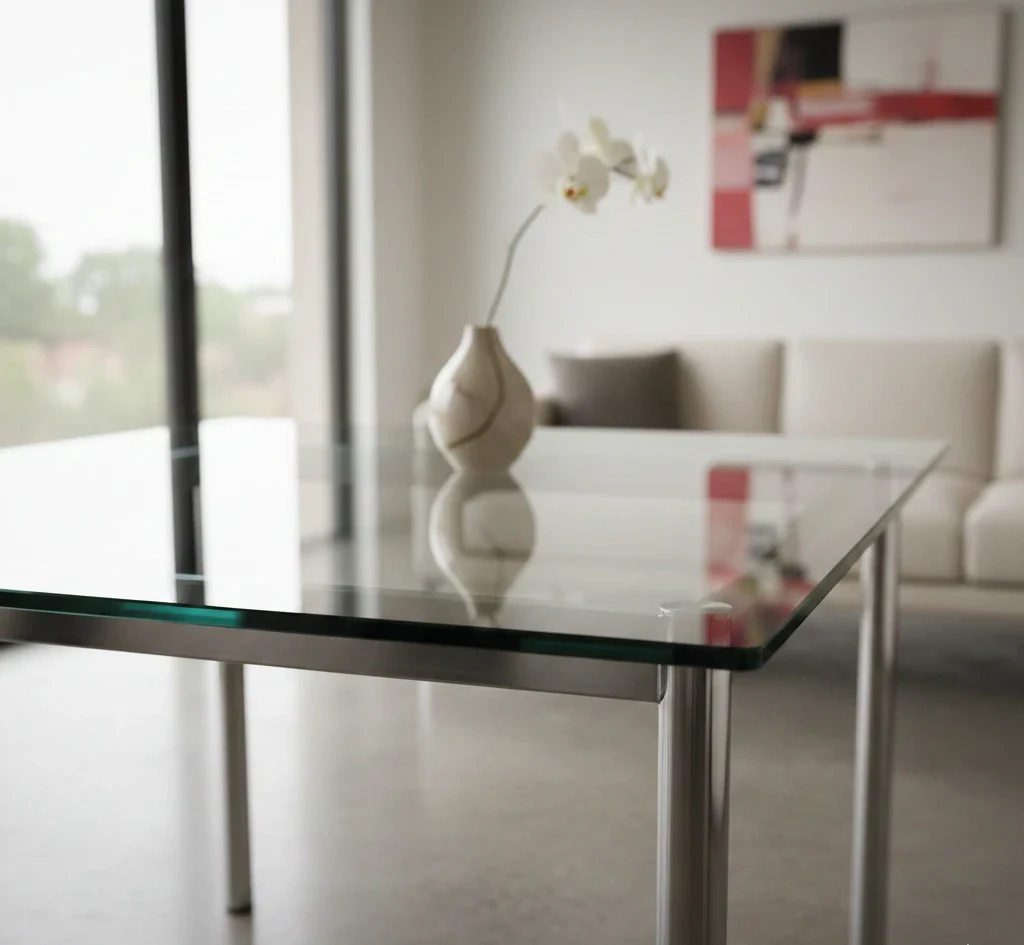
Why Tempered Glass Is Considered Safety Glass
Tempered glass is classified as safety glass because of its enhanced strength and controlled breakage characteristics. The thermal tempering process creates internal stress patterns that strengthen the panel while ensuring safer fragmentation upon impact.
Tempered glass is recognised as safety glass because:
It shatters into small, blunt fragments rather than sharp shards
It is 4 to 6 times stronger than regular glass
It resists heat and thermal shock
It offers improved durability in high-use areas
It reduces injury risk in case of accidental breakage
This makes tempered glass ideal for wet zones, high-traffic areas, and installations where accidental impact may occur.
Where Can We Use Tempered Glass?
Tempered glass plays an important role in Singapore’s residential and commercial interiors. Its durability and moisture resistance make it especially suitable for bathrooms, kitchens, balconies, and office environments.
Common Applications
- Shower screens
- Balcony panels
- Kitchen backsplashes
- Glass doors
- Office partitions
- Furniture and tabletops
- Storefront panels and display cases
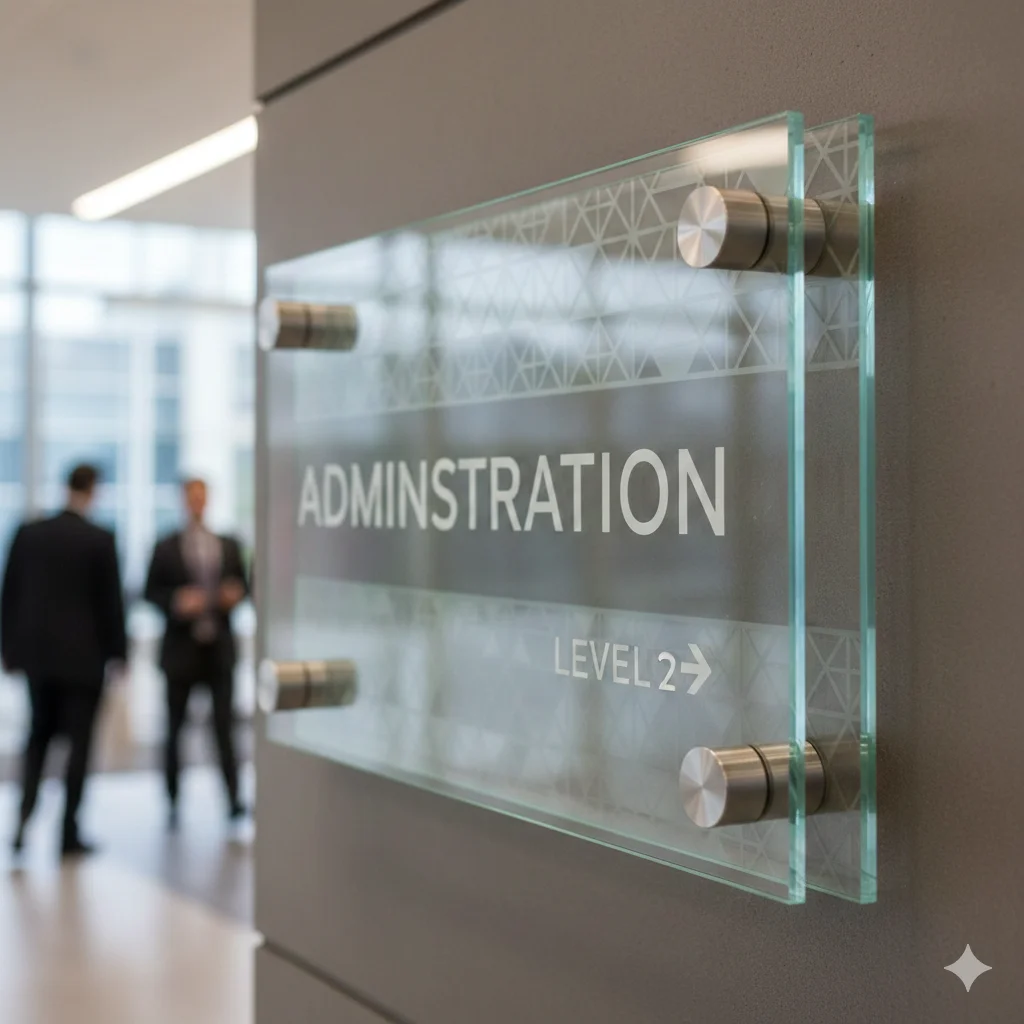
- Signage
For urban homes and properties exposed to daily wear, tempered glass provides a balance of strength, safety, and contemporary design.
Tempered Glass Manufacturing Technology
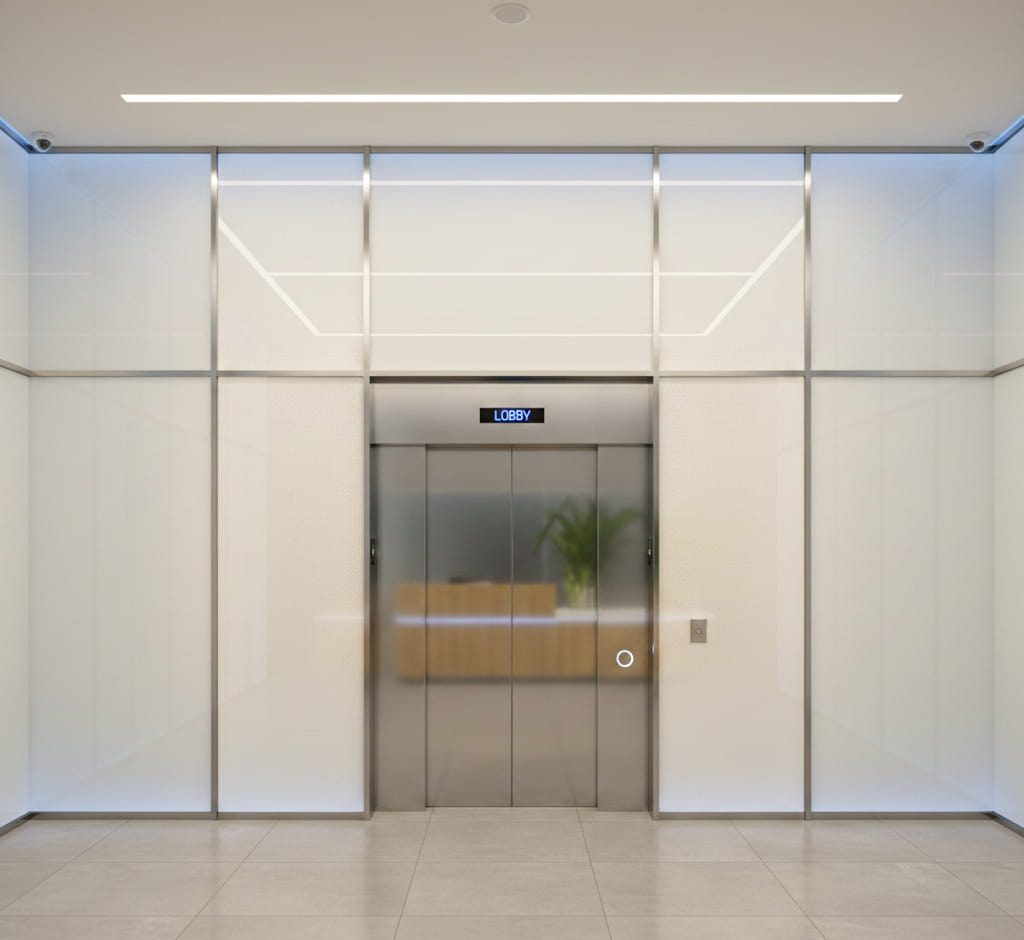
The strength of tempered glass lies in its thermal tempering process. The glass is heated to approximately 650–700°C and then rapidly cooled through a method known as quenching. This rapid cooling compresses the outer surfaces while creating tensile stress within the core.
This controlled stress pattern is what gives tempered glass its increased strength and its distinctive shatter-safe behaviour.
Production Process
- Glass is cut to size and thoroughly inspected
- Edges are polished and surfaces cleaned
- Glass is heated in a tempering furnace
- Rapid cooling (quenching) strengthens the outer layers
- Final quality checks ensure flatness and finish
Professional fabrication ensures:
- Minimal distortion or surface waviness
- Smooth, polished, safe edges
- Removal of chips or defects before tempering
- Uniform appearance across multiple panels
This is particularly important for glass doors, partitions, and large glass walls where alignment and aesthetics are critical.
Thickness & Specification Guide
Choosing the correct thickness is essential for safety, durability, and long-term performance. The appropriate specification depends on the application, expected load, and impact exposure.
Below is a general guide to common tempered glass thicknesses used in Singapore:
Typical Use | Thickness | Suitable For |
Shower screens, tabletops | 6 mm | Standard strength, suitable for light-duty applications |
Glass doors, partitions | 8 mm | Enhanced strength and durability |
Balcony panels, high-traffic areas | 10 mm | High impact resistance |
Structural panels, custom projects | 12 mm + | Maximum safety and rigidity |
What Can Cause Tempered Glass To Break?
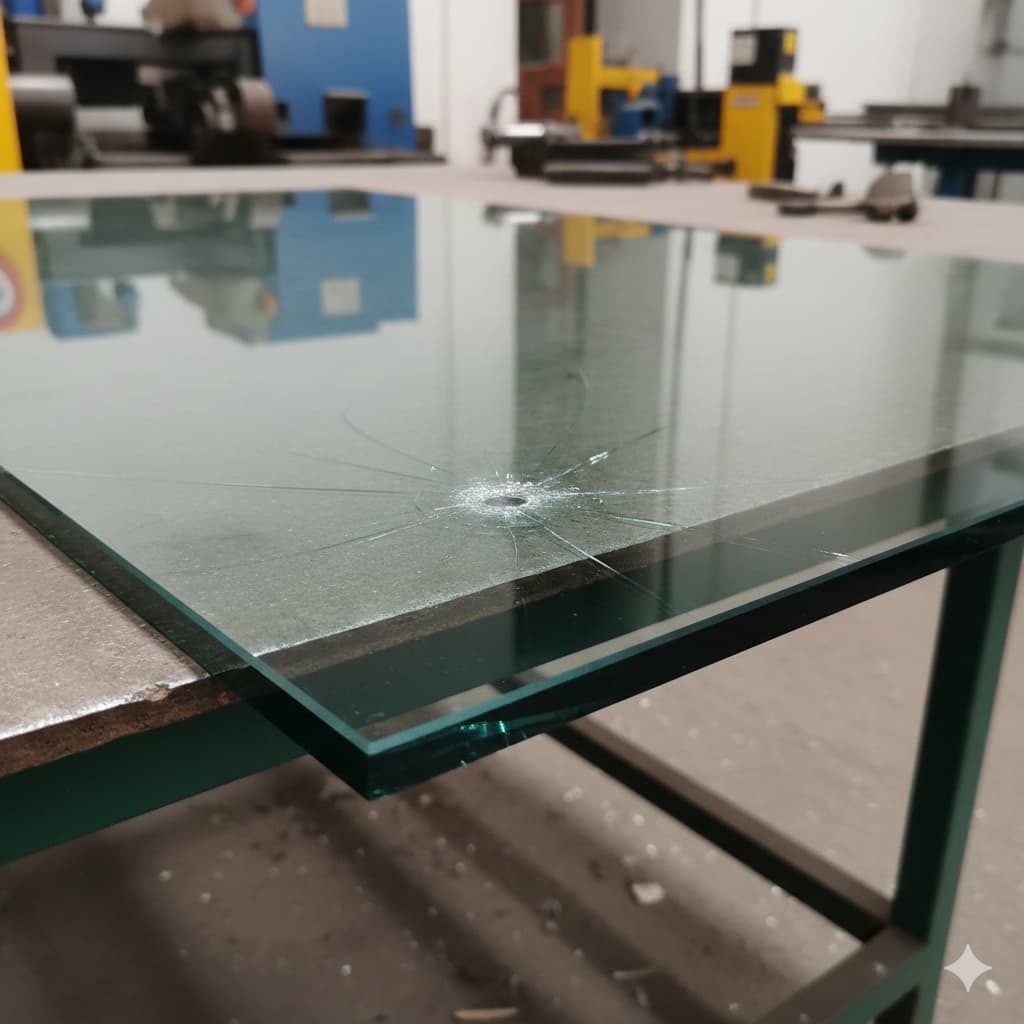
- Impact damage to edges or corners
- Stress from improper installation or tight framing
- Sudden temperature changes causing thermal stress
- Damage during transport or handling
- Building or frame movement
- Accidental impact or vandalism
In rare cases, microscopic internal inclusions may cause delayed breakage, sometimes referred to as spontaneous breakage. However, many instances are linked to edge damage or installation stress.
Types of Tempered Glass
Tempered glass can be enhanced with additional features to improve safety, comfort, and performance.
Available options include:
- Laminated tempered glass for added safety
- Acoustic tempered glass for noise reduction
- Thermal or reflective coatings for heat and UV control
- Custom colours or decorative finishes
Selecting the appropriate variation ensures the glass meets both functional requirements and design expectations.
Maintenance and Lifespan
Tempered glass is highly durable and requires minimal maintenance when properly installed and handled. Its heat-strengthened structure allows it to withstand daily use in residential and commercial environments, including high-humidity areas such as bathrooms and kitchens. With regular care and proper usage, tempered glass can maintain its strength, clarity, and structural integrity for many years. Maintenance tips include:
- Clean with non-abrasive glass cleaners
- Avoid sharp impacts or dragging heavy objects
- Replace if chips, cracks, or edge damage appear
Typical lifespan ranges from 15–25 years, depending on usage and exposure conditions.
Tempered Glass Price Guide
The cost of tempered glass in Singapore varies depending on thickness, panel size, installation complexity, and any additional customisation such as coatings or special finishes. Thicker panels generally cost more due to increased material strength and fabrication requirements. Below is a general pricing guide to help estimate your project budget.
Tempered Glass Applications | Thickness | Est. Price (per sq ft) |
Basic panels | 6 mm | S$45 – S$55 |
Doors and partitions | 8 mm | S$60 – S$75 |
Balcony or structural panels | 10 mm | S$80 – S$95 |
Custom or high-load applications | 12 mm + | S$100 + |
*Estimates only, actual pricing determined only after knowing detailed requirements and consultation
Typical Project Costs in Singapore
- Standard shower screen (6 – 8mm, 2×1m): ~ S$250 – S$400
- Balcony panel (10mm, 2×1.5m): ~ S$400 – S$600
Final pricing depends on panel size, hardware, access conditions, and any additional coatings or upgrades.
Tempered Glass Installation & Compliance
Installing tempered glass in Singapore requires precise measurement, professional handling, and adherence to safety standards. Proper installation prevents stress cracks, alignment issues, and premature failure.
Typical Installation Process
- Site inspection and measurement
- Glass selection and cutting
- Edge polishing and tempering
- Delivery to site
- Mechanical installation (adhesive or screws where approved)
- Safety and alignment checks
- Final cleaning and client approval
Glazing Materials & Best Practices
- Neoprene setting blocks and gaskets for cushioning
- Compatible, non-staining sealants
- Approved glazing compounds suitable for tropical climates
- Proper expansion gaps to allow for temperature movement
These measures help prevent stress cracks, leakage, and premature seal failure.
Local Regulations & Standards
Professional glass installations must meet strict manufacturing and safety standards to ensure durability, safety, and visual quality. Projects carried out for public institutions require adherence to stringent glazing and safety requirements.
To meet similar professional standards, tempered glass installations typically follow these quality practices:
- Glass panels are pre-cut and fabricated before delivery; on-site cutting is not permitted
- Edges are polished and defects removed before tempering
- Glass is protected during transport and installation to prevent scratches or damage
- Final cleaning ensures clear, blemish-free surfaces upon completion
- Samples and shop drawings are reviewed before fabrication to ensure accuracy
Frequently Asked Questions
How is tempered glass different from laminated or frosted glass?
Tempered glass is stronger and shatters safely; laminated glass holds together when broken; frosted glass offers privacy.
Is tempered glass safe for homes with children?
Yes, it reduces injury risk due to its shatter-safe properties.
How long does installation take?
Typically 1–3 days depending on project size and complexity.
Do I need HDB approval for tempered glass installation?
Yes, structural glass modifications usually require HDB permits.
Can it reduce noise and heat?
Upgraded acoustic and thermal coatings improve soundproofing and energy efficiency.
What Customers Say
Install High-Quality Tempered Glass for Safer, Stronger Spaces in Singapore
Upgrade to stronger, safer tempered glass for your home or business.House of Glass provides professional supply and installation for HDB, condo, and commercial projects across Singapore. Contact us today for a site assessment and receive your detailed quotation within 24 hours.