
Glass Room
A glass room is a fully enclosed space built with structural glass walls and, in some cases, glass roofing. It increases usable floor area while maintaining natural light and external views.
In Singapore properties, glass rooms are commonly installed to extend living areas, create meeting rooms or enclose balconies without heavy masonry works. When engineered correctly, they provide weather protection, structural safety and year round usability.
At House of Glass, we design and install custom glass rooms tailored to landed homes, condominiums and commercial premises across Singapore, ensuring compliance with local building guidelines.
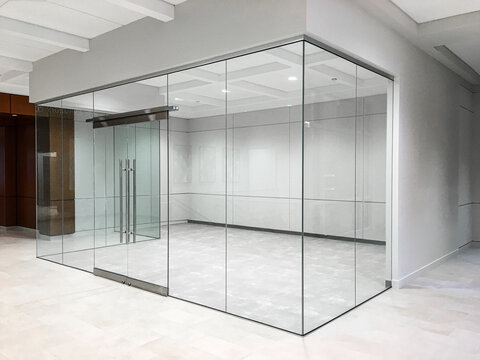
Best Glass Types for Glass Rooms in Singapore
Choosing the right glass specification is important for safety, heat control, and durability in Singapore’s tropical climate. The glass type and thickness must match panel size, structural loading, and installation location to ensure compliance with local safety standards.
Tempered Safety Glass
Tempered glass is heat-treated to improve strength and impact resistance. If broken, it shatters into small granular pieces to reduce injury risk. For glass room walls and sliding doors in Singapore, tempered glass commonly ranges from 10mm to 12mm thickness, with panels typically around 1200mm to 1500mm wide depending on framing and structural support.
Laminated Safety Glass
Laminated glass consists of two or more layers bonded with a structural interlayer. If cracked, the fragments remain attached, improving safety and preventing glass from falling. It is often used for overhead glazing and roof panels, with common specifications such as 5+5mm laminated glass (10.38mm) and 6+6mm laminated glass (12.76mm) for larger spans or high-rise installations.
Insulated Glass Units (IGU)
Insulated glass units combine two glass panels separated by an air or gas-filled cavity to improve insulation and reduce noise. Typical configurations in Singapore include 6mm glass + 12mm air gap + 6mm glass (24mm IGU) or thicker systems like 8mm + 12mm air gap + 8mm glass for larger or sun-exposed areas.
Low-Emissivity (Low-E) Glass
Low-E coated glass reflects solar heat while allowing natural daylight to pass through. It is often paired with insulated glass units, such as 6mm Low-E glass with a 12mm cavity and 6mm inner panel, to reduce solar heat gain in exposed installations.
Final glass thickness and configuration should always be determined through professional structural assessment to meet Singapore safety standards and ensure reliable long-term performance.
Glass Room Applications in Singapore
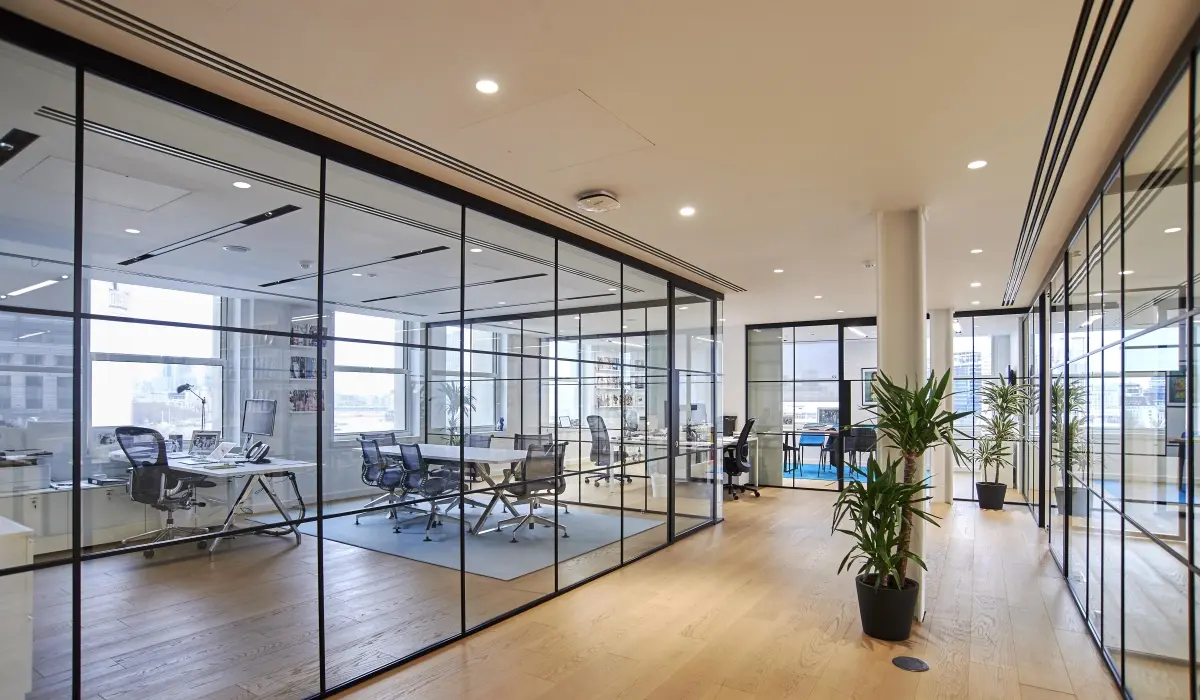
Glass rooms are used to create defined spaces without sacrificing natural light or visual openness. By combining structural glass panels with properly engineered framing systems, these installations provide functional separation while maintaining a modern architectural aesthetic. When designed with appropriate safety glass specifications and installed by experienced contractors, glass rooms can be safely integrated into both residential and commercial environments.
Glass Study Rooms in HDB & Condos
In many Singapore apartments, space efficiency is essential. Glass study rooms provide a practical solution by creating a quiet workspace without making the home feel smaller or enclosed. Instead of solid walls that block light, glass partitions allow daylight to flow through the interior while maintaining visual openness. This is especially useful for compact HDB flats and condominiums where homeowners want to carve out a dedicated work or study area. Tempered or laminated glass panels are commonly used, ensuring durability and compliance with local renovation guidelines.
Glass Meeting Rooms in Offices
Modern offices increasingly adopt glass meeting rooms to balance privacy with transparency. Full-height glass partitions create professional meeting spaces while preserving an open office layout that encourages collaboration. Frosted or partially tinted glass can be added to provide visual privacy without sacrificing natural light. These installations are commonly used in corporate offices, coworking spaces, and commercial developments where both functionality and contemporary design are important.
Glass Penthouse Enclosures
For penthouses and rooftop residences, glass enclosures allow homeowners to extend their living space while maintaining panoramic views. These structures are often used to create sheltered lounges, dining areas, or entertainment zones protected from wind and rain. Laminated safety glass and engineered support systems are typically specified to handle larger spans and higher wind loads associated with high-rise installations, ensuring both safety and long-term structural reliability.
Cleaning and Maintenance
Glass rooms in Singapore require regular maintenance and proper regulatory compliance to ensure long term durability and safety. Exposure to humidity, rainfall and temperature changes can affect sealants, hardware and drainage performance. Structured inspection prevents leakage and mechanical failure.
Routine care helps preserve clarity, waterproofing and operational performance:
- Clean glass panels with mild soap solution to maintain transparency
- Inspect sealants and gaskets annually for ageing or shrinkage
- Clear drainage channels to prevent water accumulation
- Examine sliding tracks and hardware for smooth movement
Regular upkeep reduces the risk of seal deterioration and water ingress under Singapore climate conditions.
Price Estimates
Glass room installation costs in Singapore vary according to design complexity, glass specification and structural requirements. Each project is customised to suit the property layout, wind exposure and regulatory conditions. Accurate costing requires proper site evaluation and technical assessment.
Below is a general price guide for reference.
Glass Room Price in Singapore
Type of Installation | Estimated Price Range |
Balcony Glass Enclosure | From $4,500 |
Landed Patio Glass Room | From $8,000 |
Full Height Office Glass Room | From $5,000 |
Custom Roofed Glass Room | From $12,000 |
*Estimates only, actual pricing determined only after knowing detailed requirements and consultation
Typical Glass Room Project Costs in Singapore
Several technical and site related factors influence final pricing:
- Glass thickness and safety specification
- Use of insulated or laminated glass systems
- Structural steel or aluminium framing design
- Site access and installation height
- Authority submission and approval requirements
A professional site assessment ensures accurate quotation, structural compliance and long term performance under Singapore climate conditions.
BCA, HDB & MCST Guidelines for Glass Rooms
Glass room installations in Singapore may require regulatory approval depending on property type and scope of works. Enclosures that affect façade appearance, structural loading or balcony areas are subject to specific guidelines. Early verification of approval requirements helps prevent delays and non-compliance issues.
BCA Requirements
All structural glass works must meet national building safety standards. For larger or more complex enclosures, additional verification may be necessary before approval is granted.
- Compliance with safety glazing standards
- Structural load verification for larger enclosures
- Engineering endorsement where required
- Alignment with approved building plans
HDB Flat Requirements
For HDB properties, renovation works must follow established guidelines to maintain building integrity and uniformity. Certain modifications may require prior submission or approval.
- Subject to HDB renovation guidelines
- Balcony enclosures must not compromise façade integrity
- Modifications must remain within permitted alteration limits
MCST Managed Condominiums
In private condominiums, the Management Corporation Strata Title oversees renovation control. Approval is typically required before any installation begins.
- Written approval required prior to commencement
- Design and material specifications may be reviewed
- Compliance with façade uniformity rules
Homeowners should verify all authority and management approvals before installation to ensure compliance with Singapore building and renovation regulations.
Frequently Asked Questions
Is a glass room considered an extension?
In some cases, yes. Depending on scale and structural changes, approvals may be required.
Can a glass room reduce heat?
Yes, when insulated or low emissivity glass is used. Proper ventilation design is also important.
Is laminated glass necessary?
For overhead panels or high rise applications, laminated safety glass is strongly recommended.
How long does the installation of Glass Rooms take?
Most residential projects take two to four weeks depending on complexity.
Can an existing balcony be converted?
Yes, subject to structural suitability and authority approval.