
Laminated Glass
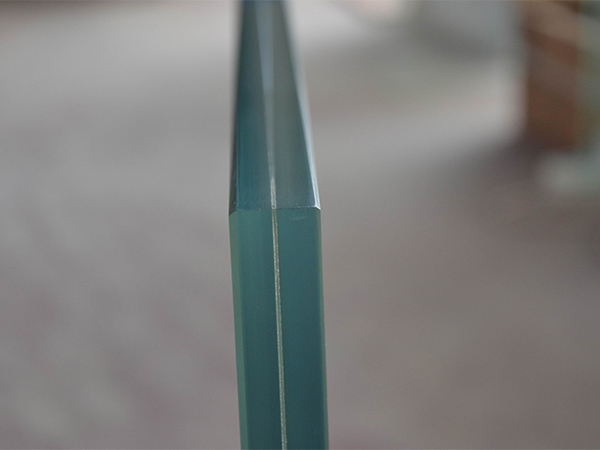
Laminated glass is a type of safety glass made by bonding two or more layers of glass together with a protective interlayer, typically Polyvinyl Butyral (PVB). Unlike standard glass, laminated glass is designed to hold together when shattered, reducing the risk of injury and improving structural integrity.
In Singapore, laminated glass is widely used in HDB flats, condominiums, commercial buildings, storefronts, skylights, and high-rise developments where safety and compliance are critical.
At House of Glass, we provide professional laminated glass supply and installation services for both residential and commercial properties.
Why Laminated Glass Is Considered Safety Glass
Laminated glass is widely recognised as a safety glass due to its unique layered construction and enhanced protective properties. Unlike ordinary glass, it is designed to remain intact even after impact, significantly reducing the risk of injury and structural failure. Because of these characteristics, laminated glass is commonly used in residential, commercial, and high-rise applications where safety is a top priority.
Laminated glass is classified as safety glass because:
It resists penetration upon impact
Broken fragments adhere to the interlayer instead of falling
It reduces injury risk from sharp shards
It enhances security against forced entry
It blocks up to 99% of harmful UV rays
It improves acoustic insulation
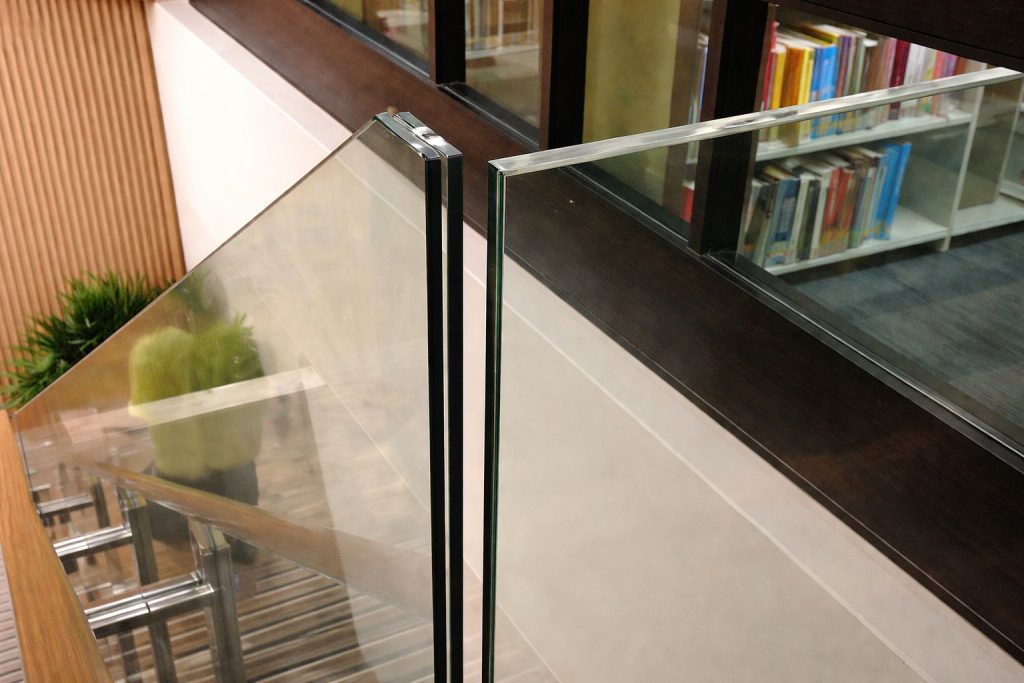
This makes laminated glass ideal for areas where human impact or fall risk is possible, especially in balcony glass panels and glass railings.
Use of Laminated Glass in Singapore
Laminated glass plays a critical role in Singapore’s built environment. Its strength, sound insulation properties, and safety performance make it highly suitable for both residential and commercial developments. From high-rise condominiums to retail storefronts, laminated glass is widely specified for areas that demand enhanced protection and durability.
Laminated glass is extensively used across residential and commercial sectors in Singapore due to strict safety standards and high-rise construction.
Common Applications
- HDB windows and balcony panels
- Condo balcony railings
- Skylights and overhead glazing
- Storefront exteriors
- Office partitions
- Glass doors and façade systems
- Acoustic laminated panels for noise reduction
For properties near MRT lines, highways, or busy commercial districts, acoustic laminated glass significantly reduces external noise.
In high-rise buildings, laminated glass enhances occupant safety by preventing dangerous falling shards in case of breakage.
It is also widely used for replacement works, particularly for cracked balcony panels, shattered windows, and damaged storefront glass.
Laminated Glass Technology
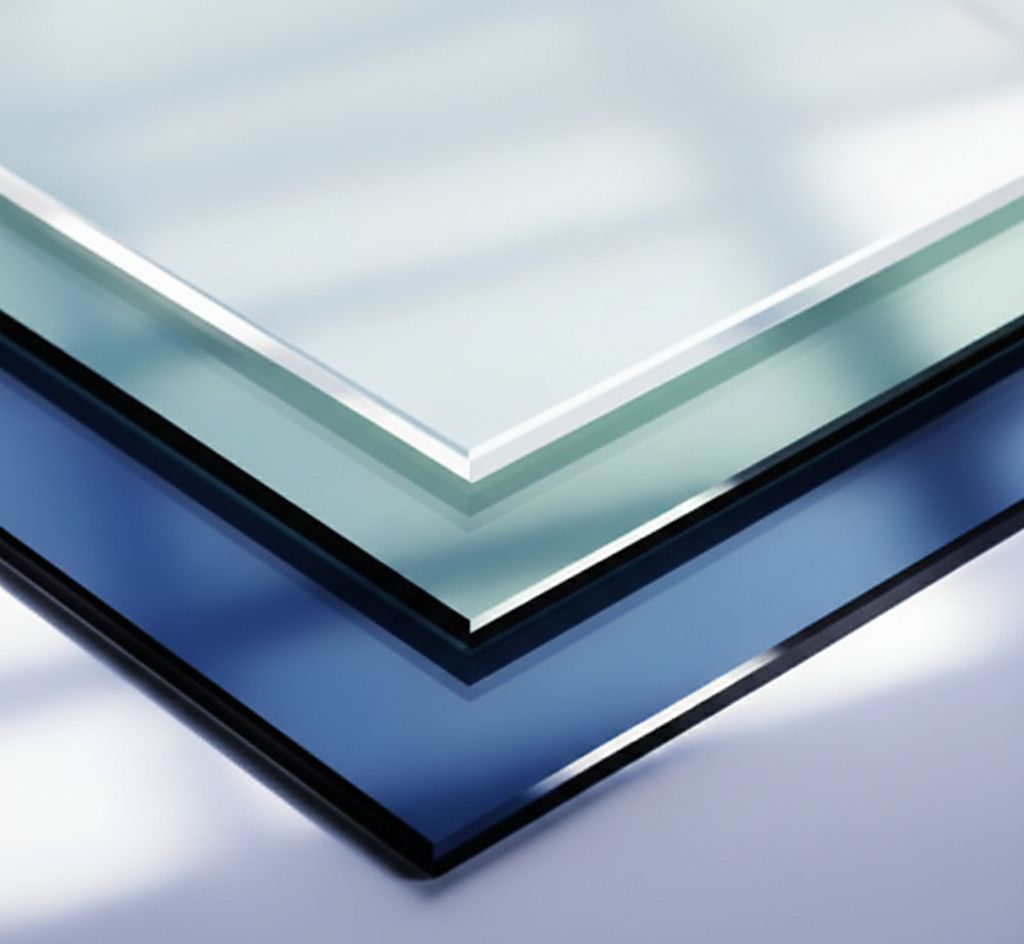
The strength of laminated glass lies in its interlayer technology. A layer of Polyvinyl Butyral (PVB) is placed between two sheets of glass and fused under heat and pressure. This interlayer acts as a structural bond, ensuring that even if the glass cracks, the fragments remain attached.
This is what creates the well-known “spider web” crack pattern — the glass may fracture, but it stays intact rather than collapsing.
Benefits of the PVB Interlayer
- Blocks up to 99% of ultraviolet (UV) rays
- Enhances sound insulation by dampening vibrations
- Improves thermal insulation compared to ordinary glass
- Adds an extra layer of security against break-ins
For high-rise and commercial buildings in Singapore, this safety performance makes laminated glass a preferred material.
Manufacturing Processes
Laminated glass is produced by bonding multiple layers of glass with an interlayer under controlled heat and pressure conditions.
The most common process involves pressing two or more sheets of glass with a plasticised PVB interlayer, creating a permanently bonded unit. Alternative methods include combining glass with polycarbonate using aliphatic urethane interlayers, or using cured resin as the bonding medium.
A typical laminated glass specification in Singapore is 6.38mm, which consists of 3mm glass + 0.38mm PVB interlayer + 3mm glass. Thicker variations such as 8.76mm or 10.76mm increase strength and acoustic performance.
Modern laminated glass may also incorporate advanced thermoplastics such as EVA (Ethyl Vinyl Acetate) or TPU (Thermoplastic Polyurethane) for enhanced durability and clarity.
Thickness & Specification Guide
Choosing the correct laminated glass thickness is essential for ensuring safety, durability, and compliance with building requirements in Singapore. The appropriate specification depends on the application, height of installation, and expected load or impact risk. Thicker laminated panels generally offer stronger structural performance and better acoustic insulation, making them suitable for high-rise and commercial environments.
Below is a general guide to common laminated glass specifications used in residential and commercial projects:
Typical Use | Specification | Composition |
Residential windows | 6.38 mm | 3 mm + 0.38 mm PVB + 3 mm |
Balcony panels | 8.76 mm | 4 mm + 0.76 mm PVB + 4 mm |
Office partitions | 10.76 mm | 5 mm + 0.76mm PVB + 5 mm |
High-rise & commercial | 12.76 mm | 6 mm + 0.76 mm PVB + 6 mm |
The numbers represent the total thickness, including the interlayer. Thicker specifications provide improved impact resistance and sound insulation.
Maintenance & Lifespan
Selecting the correct double glazed specification depends on the application, required acoustic performance, structural considerations and regulatory requirements.
In door systems, common configurations include:
- 8+8mm double glazed tempered combinations for STC40 acoustic swing doors
- 12mm tempered monolithic panels for frameless sliding systems
- 25mm fire-rated insulated laminated glass for 1-hour fire-rated doors
For acoustic applications, laminated combinations and drop seals significantly improve sound isolation performance.
Thicker or laminated combinations are required for high-rise, safety-critical or fire-rated areas.
Laminated Glass Price Guide in Singapore
The cost of laminated glass in Singapore varies depending on thickness, performance requirements, and installation complexity. Factors such as acoustic properties, safety specifications, and height of installation can significantly influence pricing. Below is a general pricing guide to help homeowners, property managers, and business owners estimate their project budget.
Type | Est. Price (per sq ft) | Typical Use |
Standard Laminated Glass | $20 – $35 | Windows, balcony panels |
Acoustic Laminated Glass | $30 – $50 | Noise-sensitive areas, offices |
Tempered + Laminated Glass | $40 – $65 | High-rise, safety-critical areas |
High-Security / Multi-Layer Laminated | $60 – $120 | Commercial storefronts |
Emergency Replacement | From $180 onwards (per panel) | Broken or shattered glass |
*Estimates only, actual pricing determined only after knowing detailed requirements and consultation
Typical Laminated Glass Project Cost in Singapore
While per-square-foot pricing provides a rough estimate, total project cost depends on panel size, framing system, access conditions, and urgency of installation.
- HDB window replacement: $600 – $1,200
- Condo balcony laminated upgrade: $1,200 – $2,800
- Office acoustic partition: $2,000 – $6,000
- Storefront laminated panel: $2,500 – $8,000+
Project cost ultimately depends on glass thickness, access difficulty, hardware requirements, and customisation details.
Installation & Regulatory Guidelines
Installing laminated glass in Singapore involves more than just fitting a new panel. Proper planning, regulatory approval, and professional handling are essential to ensure safety, compliance, and long-term durability. Whether for HDB flats, condominiums, or commercial properties, working with experienced installers helps prevent structural issues and avoids renovation penalties.
Typical Laminated Glass Installation Process
- On-site inspection and precise measurement
- Recommendation of suitable glass specification
- Detailed quotation and client approval
- Fabrication and lamination under controlled factory conditions
- Delivery scheduling and permit coordination
- Safe removal of existing panels
- Installation and structural securing
- Final inspection and safety verification
Emergency replacement services can typically be arranged within 24–48 hours, subject to stock availability and site access conditions.
HDB & Condo Regulations in Singapore
When installing laminated glass, property owners must comply with local renovation and building regulations:
- HDB renovations may require permit submission before work begins
- Condo installations require MCST approval
- Balcony panels often require tempered-laminated glass combinations for added safety
- Installations must comply with Singapore building and safety standards
- Work must be conducted during approved renovation hours
Professional installation ensures regulatory compliance, structural integrity, and long-term safety performance.
Frequently Asked Questions
What is the difference between laminated and tempered glass?
Tempered glass is strengthened through heat treatment and shatters into small blunt pieces. Laminated glass uses an interlayer to hold shards together after breakage, offering superior safety and security.
Is laminated glass required in Singapore high-rise buildings?
For certain balcony panels and safety-critical areas, laminated or tempered-laminated combinations are commonly required to meet safety standards.
How much does laminated glass cost in Singapore?
Prices typically range from $20 to $65 per square foot depending on thickness and specifications. Custom or multi-layer security glass costs more.
Does laminated glass reduce noise?
Yes. Acoustic laminated glass with specialised PVB interlayers significantly reduces sound transmission and is suitable for properties near busy roads or MRT lines.
Can laminated glass break?
Yes, but when it breaks, the fragments adhere to the interlayer instead of falling apart, reducing injury risk.
Is laminated glass better for security?
Yes. The bonded interlayer makes it harder to penetrate, delaying forced entry attempts.
Is laminated glass allowed in HDB flats?
Yes, but installations may require permit approval and must comply with HDB renovation guidelines.
How long does laminated glass last?
With proper installation and maintenance, laminated glass can last 20 years or more in Singapore’s climate.